
Chewable sensory toys can seriously change the game for kids with oral sensitivity, especially for those on the autism spectrum. Since these kids might chew on shirts, pencils, or just about anything they can find, offering a safe and satisfying alternative can make everyone’s life a little easier. I’ve spent a lot of time exploring sensory toys, both as a sensory product reviewer and as a parent in this community, and I’m here to break things down in a way that feels super approachable.
Below, I’ll walk through my ratings for chewable sensory toys and get into all the details you might be curious about.
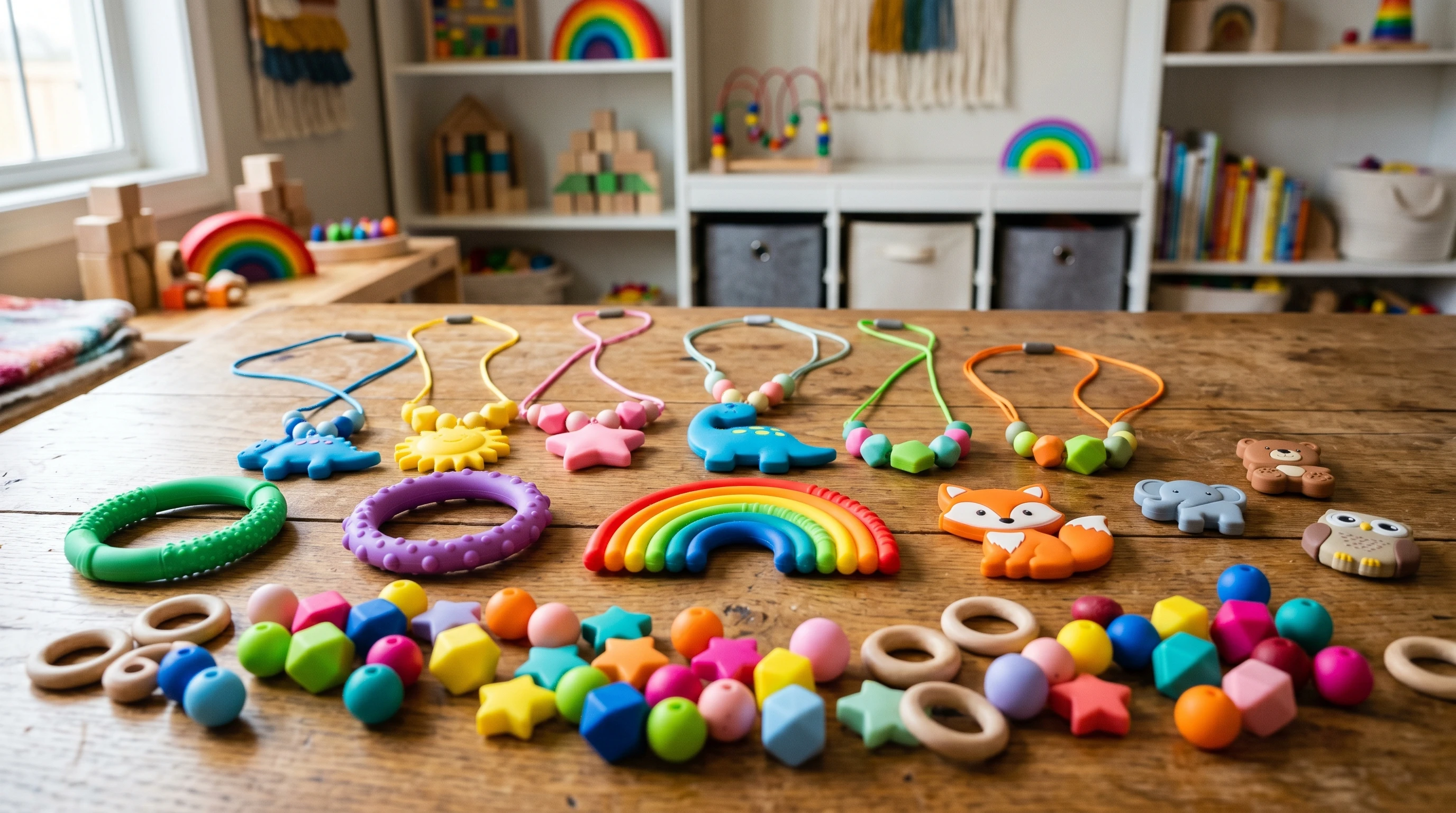
Product Category: Chewable Sensory Toys
Common Features: Food grade silicone, BPA free, easy to clean, wearable designs
Popular Brands: ARK, Chewigem, Munchables, Chubuddy
Typical Price Range: $8 – $25 each
Target Users: Kids with oral sensory needs, autism, ADHD
Parent & Therapist Reviews: 4.5/5 average across popular marketplaces
Durability Score: 4/5
Cleaning Ease: 5/5
Style Variety: 5/5
Consumer Trust: High, with lots of user generated feedback and therapist endorsements
Free Trial/Guarantee: Many brands offer a satisfaction guarantee with easy returns.
What really stands out to me about chewable sensory toys is how they deliver support, comfort, and safe chewing options in one simple tool. Instead of worrying about finding chewed up sleeves or broken pencils, offering the right chewable can redirect that urge in a positive, healthy way.
I’ve seen firsthand how much calmer kids seem when they have a sensory chew they love, plus, caregivers get peace of mind knowing the materials are tested and safe. This can have a ripple effect, improving focus at home or in school, cutting down on frustration, and even helping with regulation of other sensory needs every day.
Who Benefits Most From Chewable Sensory Toys?
I know it’s easy to think of chewable sensory toys as just a thing for autism, but oral sensory needs show up for all kinds of reasons. Kids with ADHD, anxiety, or general sensory processing challenges can all benefit too.
Some things I’ve noticed that might mean a chewable toy could help:
- Chewing on clothing, pencils, or fingers during stress, boredom, or to focus
- Difficulty eating different food textures; sometimes gagging or pocketing food
- Oral seeking behaviors like licking objects
- Frequent teeth grinding or mouth based stimming
Therapists I’ve talked to, as well as other parents, often mention that chewing and oral input gives these kids calming signals to the brain, which helps regulate overstimulation or anxiety. Chewable toys help fill that need in a way that’s a lot more practical and hygienic than letting them chew on just anything! Some kids also report that chewing helps them focus better during tasks like homework, virtual classes, or even at mealtime.
If you see some of those behaviors every day, giving a chewable toy a try could be really helpful. I often keep extra ones in my bag for stressful outings: airports, doctor appointments, or anywhere that has a lot of waiting or sensory overwhelm.
Understanding Oral Sensory Needs & Autism
Oral sensory needs basically mean the mouth craves input. This could be taste, feel, movement, or pressure. It might look like constant chewing, mouthing objects, or even spitting and blowing bubbles. Sometimes these needs get even stronger in kids with autism or related sensitivities.
In my own experience, and from chatting with occupational therapists (OTs), chewing is a self soothing mechanism. It can help kids block out the chaos or focus on one particular thing. That’s why having a safe chew makes a big difference: it’s not just about stopping the behavior, it’s about supporting the sensory system in a kinder way.
- For Autism: Kids on the spectrum often have heightened or lowered sensory processing. Chewing can help regulate this system, offering a physical outlet for excess energy or stress.
- For ADHD: Kids may chew to help maintain alertness or calm themselves during tasks that demand focus, such as reading or listening.
- For Sensory Processing Disorder (SPD): Chewable toys offer predictable input, which some kids use to balance out the unpredictable feelings from other senses.
I’ve found that talking with an OT can help pinpoint exactly what type of toy, texture, and design works best. Some kids love soft and flexible chews, while others need firm, tough chews to really satisfy that craving.
Common Types of Chewable Sensory Toys
If you haven’t bought a chewable toy before, it’s easy to get overwhelmed by all the options out there. I’ve tested a bunch, and here’s how I like to sort them out:
- Chewable Necklaces: Probably the most popular. These come in all sorts of fun designs (dinosaurs, rainbows, simple geometric shapes) and have a breakaway safety clasp. I like these for on the go use, since kids can wear them to school or out and about without standing out.
- Chewy Bracelets: These live right on the wrist, so a kid can chew or fidget without needing to ask for anything. They also double as a quiet fidget tool.
- Pencil Toppers: Awesome for school or homework time, especially if your kid likes to chew pencils or erasers. Most are made to fit standard pencils and provide a safe surface that’s much better than chewing on wood or plastic.
- Handheld Chews or Tubes: Great for home use, therapy sessions, or anywhere a necklace might not work. Some are designed to look like building blocks or small gadgets, so they don’t even look like therapy tools.
- Bite Pads and Chew Sticks: Firm, stick style chews can handle the strongest chewers and are easy to grip. Therapists often recommend these for heavy duty needs.
Something I always check: is the chewable toy easy to clean (most are dishwasher safe), and is the shape something my kid actually likes? Some kids gravitate toward bright colors and fun shapes, while others prefer plain and simple. It’s worth having a conversation with your child if they’re old enough.
Why Material And Safety Are So Important
With chewable sensory toys, what they’re made from makes a huge difference. I look for a few specific things anytime I’m trying a new product:
- Food Grade Silicone: This is the standard for most high quality chews. It’s tough enough to stand up to most chewers but soft enough that it doesn’t hurt teeth.
- BPA, Lead, Phthalate Free: Any toy that goes in the mouth really needs to be free from toxic chemicals. Most name brands include these labels right on the packaging or product page.
- Easy To Clean: Kids chew all day: at home, in the car, maybe even on the playground, so dishwasher safe or boil to clean toys are really handy.
- Breakaway Clasps and Choke Safety: Chew necklaces should have a clasp that pops open so there’s no risk of strangulation. Toys should also be big enough that there is no choking risk.
Always avoid “DIY” silicone beads that are not specifically tested for chewing. Some crafts sold online aren’t checked for toxins or constructed with safety in mind. Buying from trusted brands or sensory product shops is just the best bet.
Top Chewable Sensory Toys For Kids With Oral Sensitivity & Autism
I’ve put together my all time favorite chewable sensory toys based on durability, value, comfort, and real world reviews from families. This list has something for every chewing style, from mild to super strong.
1. ARK Therapeutic Chewelry
ARK is super well known in the sensory community, and their chewelry line is one I always recommend when someone asks where to start. They manufacture a huge variety of shapes, from “Brick Stick” necklaces to star pendants and pencil toppers, available in different “chew strengths” (soft, medium, and XT for extra tough chewers). The silicone is certified food grade and totally free from nasties.
- Standout Features: Color coded by toughness, tons of shapes, dishwasher safe
- What Parents Say: They last way longer than knockoffs and the texture is really satisfying for kids with strong chewing needs.
Click here to explore their products on Amazon.
2. Chewigem Sensory Chew Necklaces & Bangles
Chewigem has loads of unique designs, from chunky dog tags to textured disks, suitable for all ages. They focus on inclusivity and even market options for adults. All Chewigem items are made from medical grade silicone. The breakaway clasp and washability are big pluses.
- Standout Features: Fashionable with a subtle look, hypoallergenic, thorough safety testing.
- What Parents Say: Love the comfortable shapes and the sensory team’s easy customer service.
Click here to explore their products on Amazon.
3. Chubuddy Pendants & Tough Tubes
Chubuddy is another tough option, making tubes and pendants built for the “heaviest biters.” If your kid chews through everything, this is a good try. The “Strong Tube” is almost indestructible but still gentle on teeth.
- Standout Features: Highest rated for durability, comes with a safety lanyard.
- What Parents Say: Finally a chew my kid hasn’t destroyed! Easy to clip to backpacks or belt loops too.
Click here to explore their products on Amazon.
4. ARK’s Y Chew & Grabber
These are handheld chews, shaped like a “Y” or simple handgrip. OTs often recommend these for heavy chewing or to use during therapy sessions. They’re pretty basic looking, but super effective and easy to sanitize.
- Standout Features: Works for younger kids, good for oral motor exercises.
- What Parents Say: My child chews it in the car, after school, and even while relaxing… plus it’s survived for months!
Click here to explore their products on Amazon.
5. Sensory University Chew Stixx
Chew Stixx are textured sticks that mimic real food in feel and size. These work nicely for older kids or anyone who gets bored with necklaces. They’re discreet and pocket sized.
- Standout Features: Different textures (bumpy, smooth, wavy), easy for teachers to approve in class.
- What Parents Say: Super easy to wash, don’t gather lint, plus come in fun flavors.
Click here to explore their products on Amazon.
How To Choose The Right Chewable For Your Child
There’s no single best chew for every kid. Here are the questions I always ask before buying:
- How strong is the chewing? Kids who chew through toys fast need “XT” or extra durable options.
- What shape appeals to them? Some kids want a necklace, others prefer chunky handhelds or pencil toppers.
- Will my child use it at home, school, or in public? For classrooms, subtle and silent chewing options might fit better.
- Are they sensitive to tastes or smells? Neutral silicone is usually best for kids who notice everything. Some brands offer “flavored” chews for those who like extra taste input.
- How easy is it to clean? Dishwasher safe and one piece designs cut down on germ worries.
Talking with your child’s therapist (if you have one) helps too. Many OTs have samples your kid can try out before you purchase, saving both time and money. Feedback from your child; what looks appealing, what feels good in their mouth is just as valuable as durability ratings online.
Benefits Of Chewable Sensory Toys For Kids With Autism & Sensory Needs
I’ve seen so many positive effects in my family and with kids I’ve worked with. Here’s what usually stands out:
- Reduces Destructive Chewing: Clothing, pencil erasers, zippers, and fingernails last longer when a satisfying chew toy is available.
- Calming Effects: Chewing offers oral sensory input that helps with regulation, so kids can calm down during stressful transitions or noisy environments.
- Focus & Attention: For many, chewing quietly lets them tune out distracting input and zone in on classwork, reading, or therapy time.
- Improved Self Esteem: Having a fun, stylish accessory (especially for older kids) means they’re not embarrassed about their sensory tools. My own child loves showing classmates their cool necklace.
- Safe, Hygienic Option: Silicone is way easier to clean than sleeves or chewed up backpack straps.
It’s also great that when kids feel their needs are understood, and met, they can relax and just be themselves, which makes daily routines go so much smoother for everyone involved.
Cleaning, Care, & Safety Tips
Chew toys get a lot of mouth time, so I stay on top of washing. Here’s what I’ve learned that makes life easier:
- Daily cleaning with warm, soapy water keeps things tidy. I do it every morning and night, and after heavy use.
- Most chews are top rack dishwasher safe. Stick to plain soap, not harsh detergents or sanitizers.
- If a chew gets sticky or picks up odors, boiling for a minute or two refreshes it.
- Regularly check for wear and tear. Replace any chews that are breaking or showing bite marks that could become a choking hazard.
- Rotate chewables so your child never has to wait for a favorite one to finish drying.
Always supervise, especially with kids under three. Even the safest chews should stay in good condition with no tiny pieces that could break off.
More Sensory Supports: How Chewables Fit Into The Big Picture
Chewable toys are just one piece of the sensory puzzle. A complete support plan might include:
- Fidget spinners, pop its, and other hand fidgets for busy hands
- Weighted vests or lap pads for deep pressure
- Noise canceling headphones for sound sensitivities
- Movement breaks and sensory diets designed by an OT
I’ve found that pairing chewable toys with other supports can improve regulation and attention even more. For example, a chew necklace for oral input, paired with a wobble cushion for movement, makes a difference during homework time.
And just like sensory needs change with development, and even from day to day, the right setup changes too. What works for your child today might not be the same thing they want in a year. Checking in often and switching up supports helps keep things fresh and effective.
Finding The Right Brands: Where To Shop
When shopping for chewable sensory toys, I always turn to stores with clear safety ratings, lots of customer reviews, and responsive customer service. Amazon has a ton of options, but specialist sensory stores often offer more info, better customer support, and sometimes live product demos.
Local therapy supply stores and even some drugstores or big box stores now carry sensory chews, especially in areas with a large neurodiverse community. If you’re new to this scene, reading honest reviews and asking about return policies helps a lot, since chew strength and texture can be unpredictable and you don’t want to be stuck with something that won’t get used.
Getting Buy-In From Kids And Schools
Not every teacher or therapist immediately knows what sensory chews are for, so being proactive really helps. I usually send a quick note or email introducing the toy, explaining how it’s for supporting focus or calming, and how to handle it if there’s a question. Most educators appreciate when parents loop them in.
When introducing the chew to your child, let them choose their favorite colors or shapes. Participation builds excitement and ownership, which means they’ll be more likely to use their new support tool. If your child feels self conscious, showing them that older kids or even adults use chewables too helps normalize the experience. Some brands carry grownup versions for teens and adults!
Cost Breakdown & What To Expect
Most chewable sensory toys fall between $8 and $25, depending on durability, size, and brand. Multipacks and bundles sometimes offer better value, which is great for households with siblings who all want their own gear or for rotating fresh chews.
While silicone chews last a decent amount of time, really strong chewers may go through them more quickly. Setting a small monthly or quarterly budget for replacements keeps everyone happy and safe, and many brands offer loyalty programs with discounts for repeat purchases.
Some insurance plans or medical assistance programs may reimburse for sensory tools if prescribed by an occupational therapist, so it’s worth checking with your provider or community disability support agencies. Your local autism or special needs parent group is also a great resource for finding deals and swap groups!
Troubleshooting & Common Questions
Over the years, I’ve seen almost every question come up about chewable sensory toys. Here’s what people ask most often, along with what’s worked for me:
- My child loses their chew all the time! Try a lanyard, carabiner, or even a spare to stash in their backpack, coat pocket, or desk.
- The necklace isn’t stylish enough, so my kid won’t wear it. Brands like Chewigem and Munchables make chews that look like regular jewelry. Even plain black pendant styles can look just like athletic gear.
- My child chews through everything. Go for the “XT,” “Mega,” or “Tough Tube” varieties. These are built thicker or from reinforced silicone. Still, check them daily and expect more frequent replacement for super strong jaws.
- Are these toys safe for older kids or teens? Absolutely! Many brands offer age neutral styles and sizes, especially for tweens and teens who still crave oral input.
- Can you sanitize them for use in therapy or classroom settings? Most silicone chews are dishwasher safe; some can be boiled. If a toy can’t handle those methods, I pass it up.
What Therapists Say About Chewables (And What I’ve Heard In The Community)
Occupational therapists (OTs) and speech-language pathologists (SLPs) almost always recommend chewable sensory toys as part of a broader sensory diet or support plan. Many keep a basket in their offices full of different styles for kids to try during sessions.
What I hear from professionals and families is that offering a safe alternative is more positive than punishing or redirecting chewing behavior. Instead of saying “Don’t chew that!” all the time, giving a sensory chew as an option works better, and helps kids develop their own self regulation skills over time.
An OT who worked with our family even said, “The right sensory chew can cut down classroom disruptions and help kids focus, which is a win for everyone.”
Personal Story: How Chewable Toys Changed Our Routines
Before we tried chewable sensory toys with my child, I went through more torn t shirts, mangled pencil tops, and lost patience than I care to remember. Once we made the switch to a silicone necklace, things just got easier. My child was less anxious, we both stopped the fight over what could or couldn’t go in the mouth, and school was on board pretty quickly after they saw the positive results.
We keep spares in the car, daycare cubby, and Grandma’s house. Friends who visit know the chews by name. Our OT checks in regularly to see if any designs or strengths need changing. The whole process is way less stressful now, and it keeps my kiddo happier and healthier.
Quick Guide: Chewable Toy Safety & Success Tips
- Always supervise younger kids (under three) with chewable toys.
- Swap out chews at the first signs of deep bite marks or tears.
- Let your child choose their style and color—they’re more likely to use it this way.
- Clean chews daily, and more often if they fall on the ground or head to school or daycare.
- Keep spares on hand for outings and stressful days—you’ll thank yourself later.
Supporting oral sensory needs isn’t just about keeping things out of your child’s mouth. Chewable sensory toys can boost confidence, improve self regulation, and take a lot of pressure off families, teachers, and kids themselves.
Ready to try one? Check out official brand sites or your favorite sensory shop, read through some honest reviews, and grab a few styles to see what fits your child’s personality. From there, it’s all about enjoying a calmer, more comfortable day for everyone.
If you have questions or want to swap tips with fellow parents, feel free to drop a comment, I’m always happy to share what’s worked (and what hasn’t) in my own adventure. Maybe there are toys I should mention in the future?
Visit Joyrealtoys for high-quality sensory toys.
Here’s a little transparency: Our website contains affiliate links. This means if you click and make a purchase, we may receive a small commission. Don’t worry, there’s no extra cost to you. It’s a simple way you can support our mission to bring you quality content.